
Pre-Purchase Examinations (PPE)
Pre-Purchase Examinations (PPE)
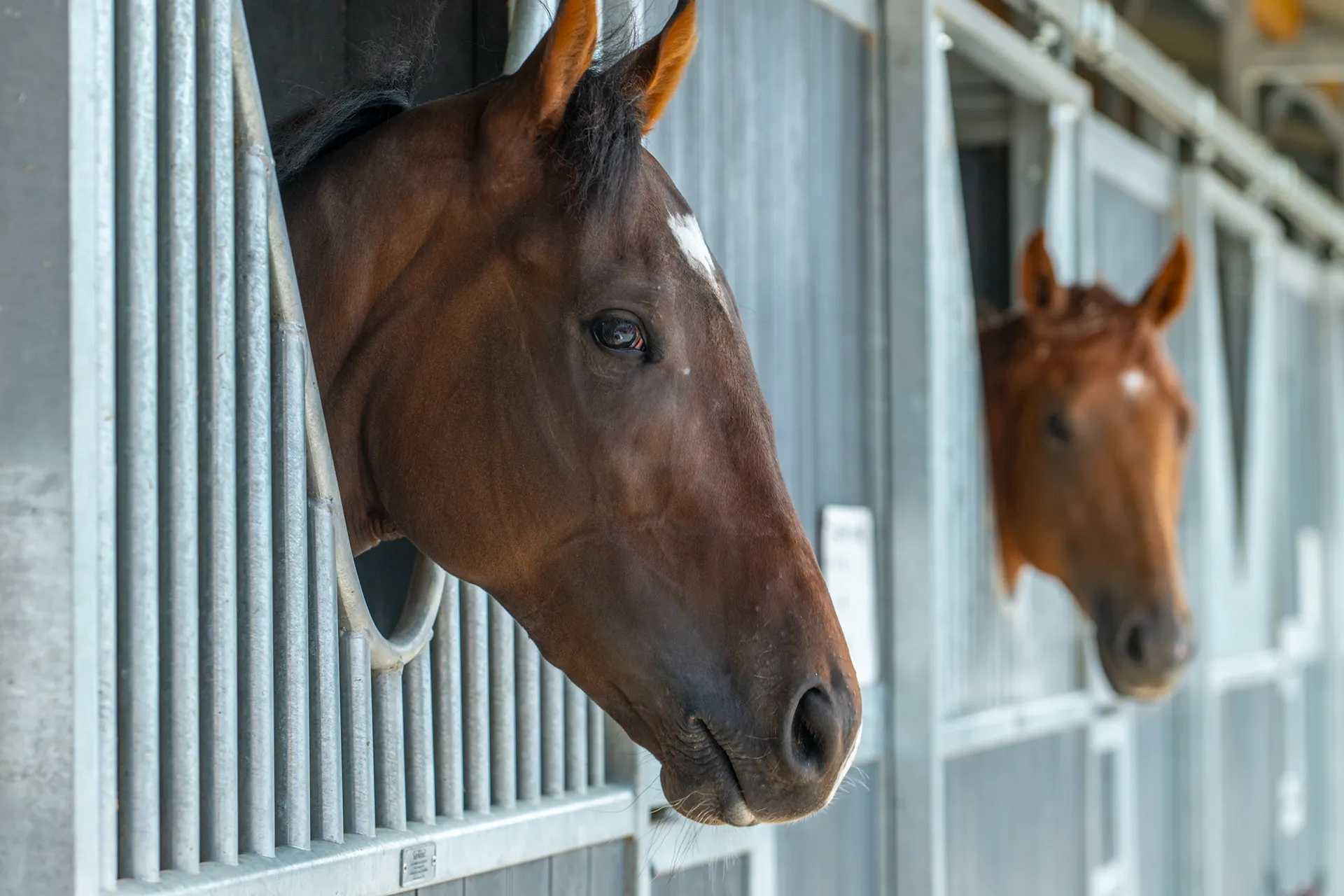
Pre-purchase examinations provide independent, expert evaluation of a horse’s health, soundness and suitability for purchase.
Purchasing a horse is an important investment, and arranging a pre-purchase examination (PPE) by an experienced vet is one of the best ways to make an informed decision. Our team can carry out PPE’s both for existing clients and for new buyers who are not registered. Our Veterinary surgeons are experienced across multiple disciplines boasting a wealth of practical knowledge with respect to suitability for purchase.
Dr Christopher Welsh provides thorough pre-purchase examinations across all disciplines including young stock and sales/auction lots. We work with both national and international clients and communicate closely with home veterinary surgeons to ensure every requirement and suitability is met.
Should you require a set of radiographs from a sales/auction lot to be assessed and reviewed, CCEV can provide both a routine and urgent referral service with appropriate reporting. Please contact Dr. Christopher directly on 07301286695.
%20(1).webp)
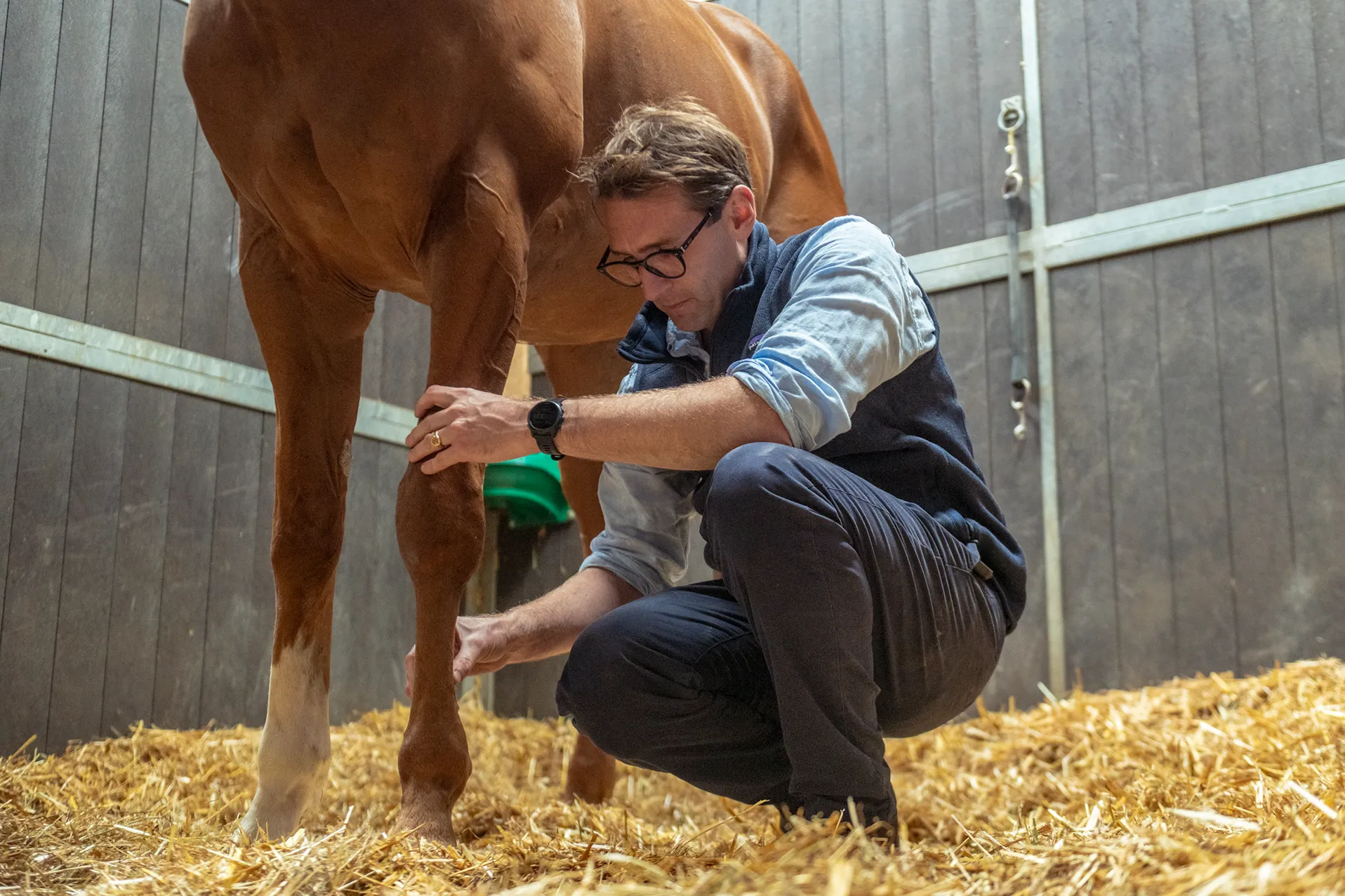
WHAT THE PRE-PURCHASE EXAMINATION INVOLVES
A standard PPE is a detailed health and soundness evaluation that can be carried out in either five stages or, when appropriate, a shorter two-stage version.
The five-stage assessment gives the most complete overview of a horse’s suitability for its intended use, while a two-stage exam may be sufficient for young stock or broodmares that are either not backed/in work or retired from ridden exercise respectively.
Before a limited (two-stage) assessment takes place, buyers may be asked to sign a consent form acknowledging that some issues may only become apparent during ridden or strenuous exercise. Conditions such as exercise-induced lameness, heart irregularities, or respiratory problems may therefore remain undetected in a limited exam. These differences can also affect what kind of insurance cover is available, so we always recommend confirming this with your insurance provider in advance.
The Five Stages Of A PPE
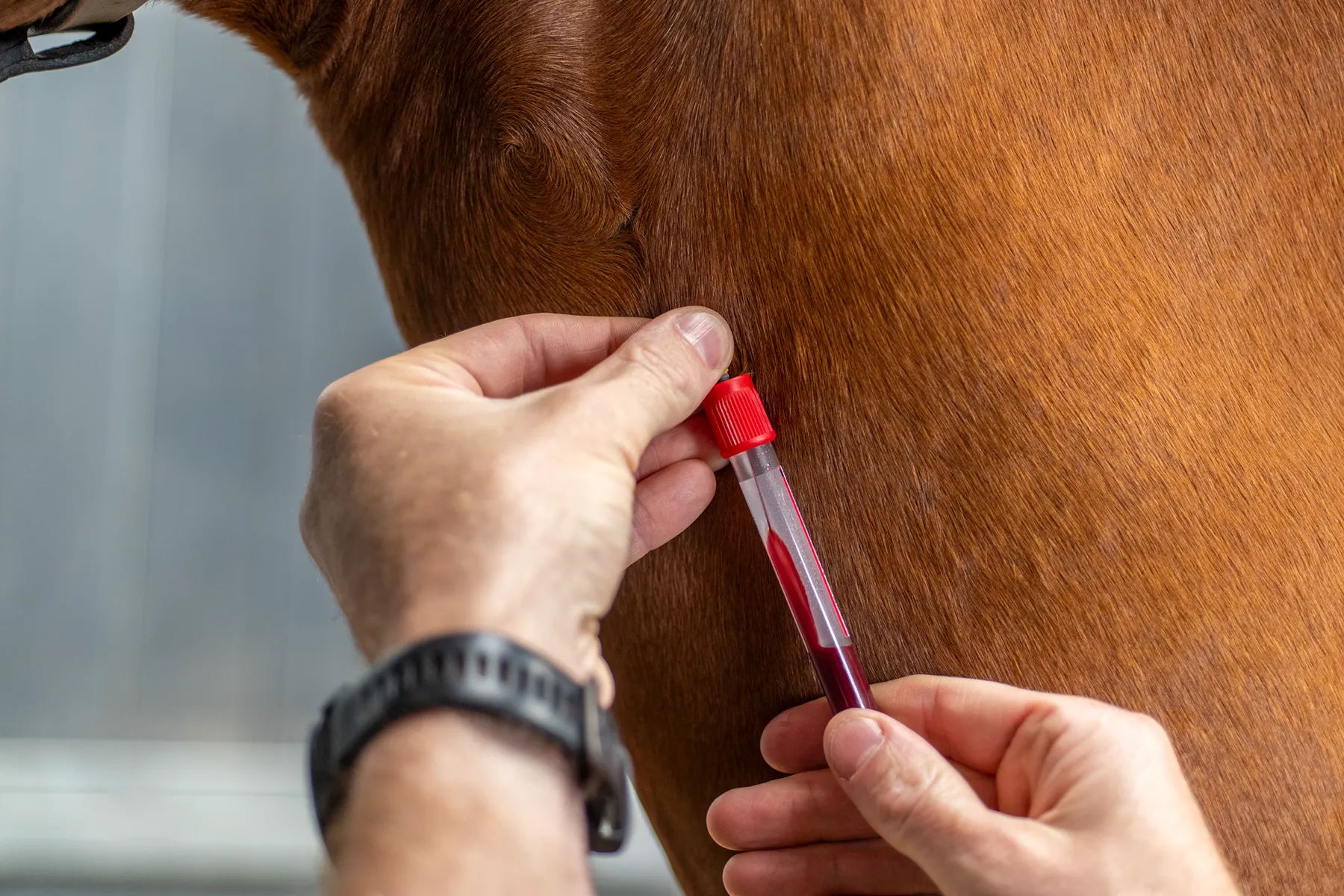
Blood sampling and further investigations
A ‘VDS’ blood sample is collected as standard at the time of pre-purchase examination and stored for up to six months. It can later be tested for substances such as sedatives, pain relief medications, or anti-inflammatories if needed.
Depending on the clinical examination findings or at the request of an insurer, extra diagnostic tests such as X-rays, ultrasound scans, or endoscopic evaluations may be suggested along with routine haematology and biochemistry. These can only be performed with the seller’s permission and may involve additional costs. All results are documented and retained by the examining vet.

The veterinary report
Once the PPE is complete, the vet will discuss the findings with the buyer and seller and provide a written report summarising all observations, clinical findings and diagnostic imaging findings where appropriate. This document includes a professional opinion on whether any of the findings are likely to prejudice the horse’s suitability for its intended use.
It’s important to note that this is not a guarantee of future performance but an expert assessment based on the horse’s condition on the day of the exam.
Buyers are encouraged to obtain a seller’s warranty separately, covering aspects such as behaviour, height, or previous medical issues, as these are not part of the veterinary report.
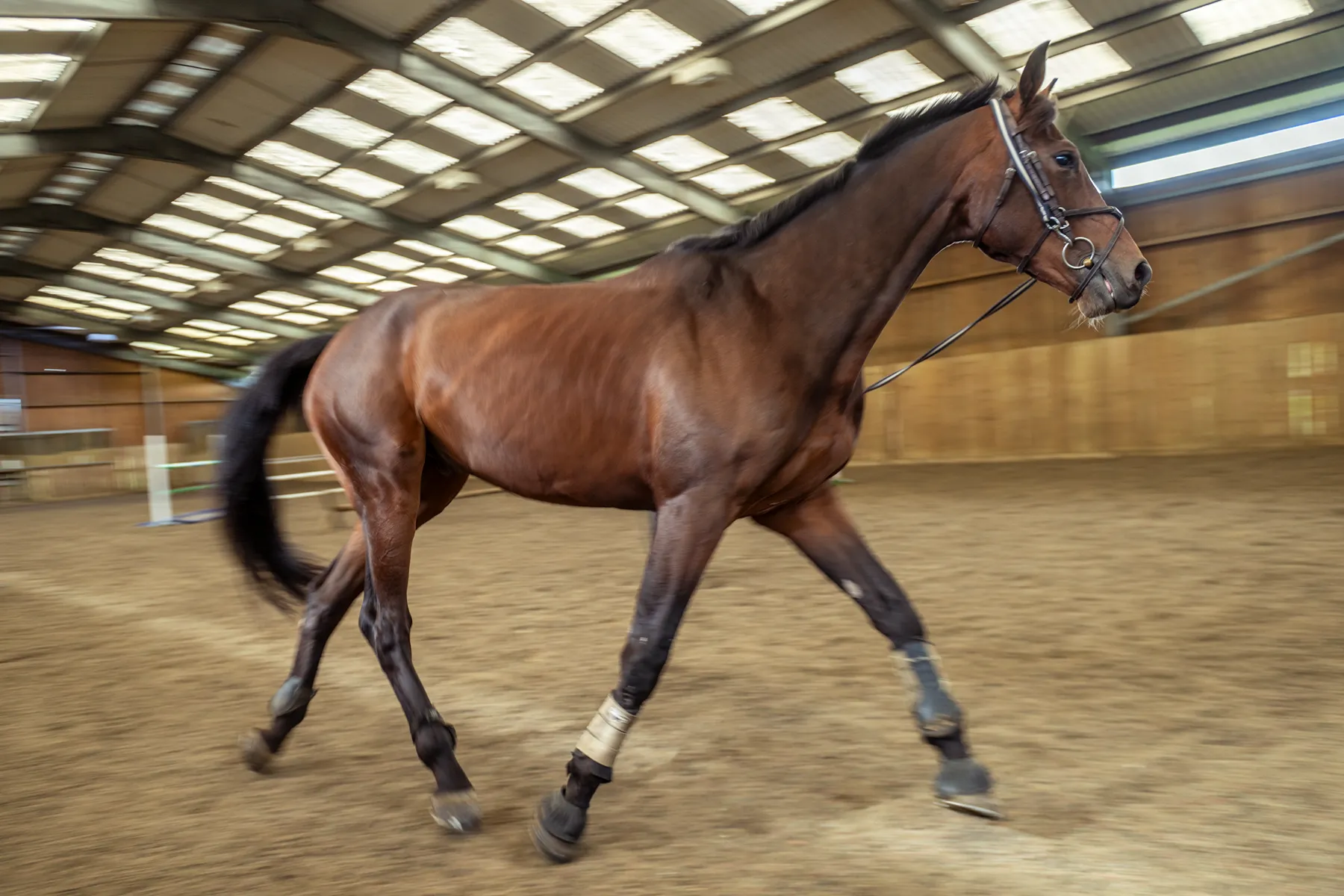
Insurance considerations
Insurance companies often refer to PPE findings when setting policy terms. Any pre-existing health problems noted during the examination may result in specific exclusions. We therefore recommend discussing potential exclusions with your chosen insurer before completing the purchase.
While these limitations do not necessarily make a horse unsuitable, they are important for financial planning and long-term care. Most policies will not cover existing conditions such as arthritis, colic, or hormonal disorders.
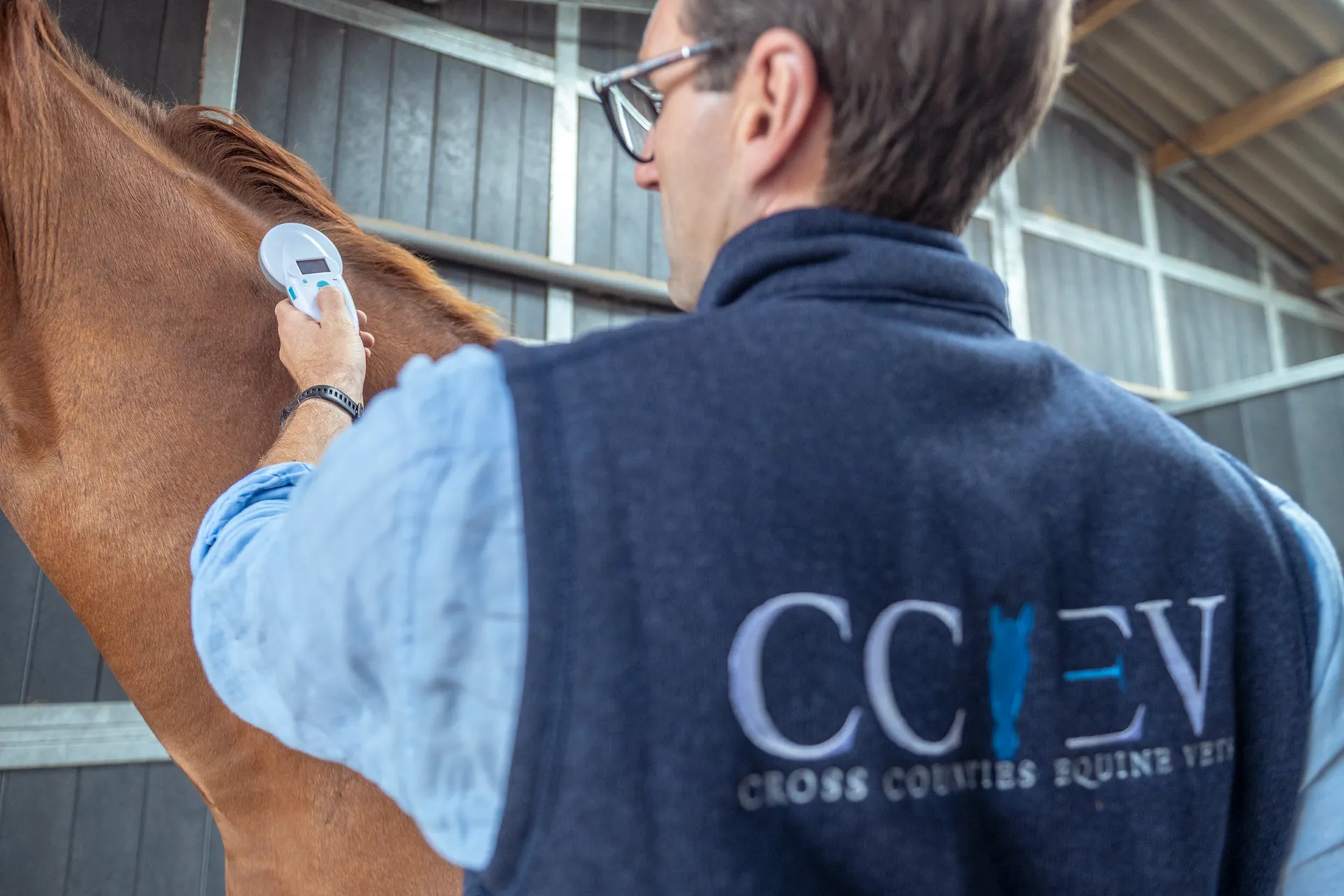
Why choose a full five-stage vetting
Even if a horse seems healthy and suitable, a complete five-stage examination offers the most thorough evaluation of its fitness for purpose. Identifying potential problems early can save future expense and disappointment, helping ensure that the horse you buy is the right match for your needs.

FAQs
Do you work with my insurance company?
Yes, we can provide documentation to support insurance requirements or pre-purchase coverage.
Can a horse "fail" a PPE?
No, the examination provides findings and risk assessment. It is up to the buyer to decide whether to proceed based on the report.The PPE report will conclude if the findings of the PPE have the potential or otherwise to prejudice the horses suitability for the purchase based on the intended use outlined by the buyer.
Why do you take a blood sample during the exam?
A VDS (Veterinary Defence Society) blood as standard both during a 2-stage and 5-stage vetting. Either for storage or when requested to be tested straight away. This blood is used to rule out the presence of anti-inflammatories, sedatives, pain medication or other injectable medication which may be in the horse's system at the time of the PPE.
General blood for haematology and biochemistry can also be taken to assess the horses general health and to rule out underlying health issues.
What is the difference between a 2-stage and a 5-stage PPE?
A 2-stage PPE examination is limited to examination of the horse at rest, in-hand and on the lunge (hard and soft circle) including dynamic flexion tests. It does not include seeing the horse at exercise and has the propensity to miss exercise-induced lameness, heart irregularities, or respiratory problems may therefore remain undetected in a limited exam
A 5-stage PPE involves -
Examination at rest
Trotting in-hand including dynamic flexion tests -pre and post exercise
Lunging on the hard and soft circle - pre and post exercise
Examination at exercise - ridden or otherwise
Review of the horse in recovery
Get in touch
We serve horses across Wiltshire, Berkshire,Hampshire, Gloucestershire, and Oxfordshire. Call or book an appointment today.
Cross Counties Equine Vets
Unit 15B, Home Farm Dairy Buildings, Mildenhall, Marlborough, Wiltshire, SN8 2FR